

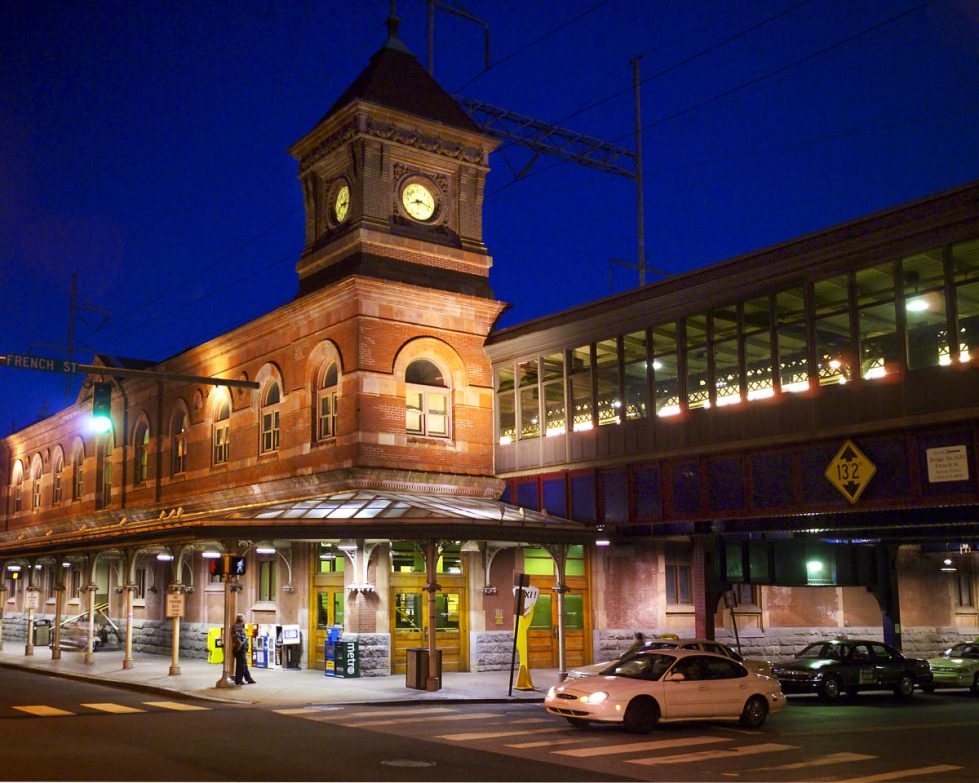
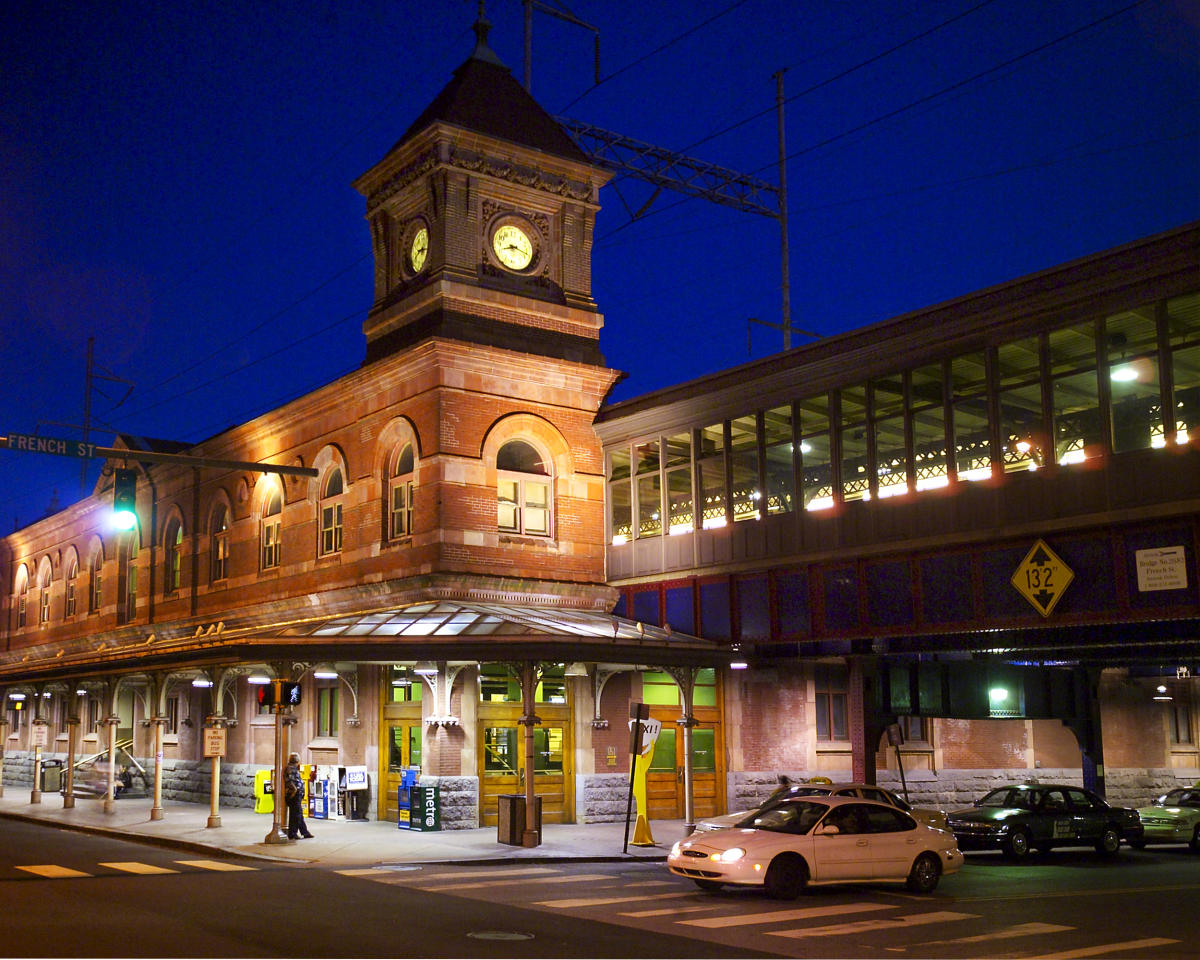
SEPTA plans to close the staffed ticket office at the Joseph R. Biden Jr. Wilmington Amtrak Station on Dec. 31, 2025.
SEPTA to Close Wilmington Station Ticket Office as Agency Pushes Efficiency, Modernization
WILMINGTON, Del. — SEPTA plans to close the staffed ticket office at the Joseph R. Biden Jr. Wilmington Amtrak Station on Dec. 31, 2025, part of a broader effort to streamline operations, reduce overhead, and modernize fare collection — a move the agency says reflects how most riders now pay for transit.
The Wilmington closure is one of nine Regional Rail ticket offices slated to shut down as SEPTA transitions away from in-person ticket sales at lower-volume stations. Only three Philadelphia locations — Jefferson, Suburban, and 30th Street stations — will continue to offer full ticket window service.
After the closure, the Wilmington station’s waiting area and restrooms will remain open weekdays from 6 a.m. to 12:15 p.m. for registered SEPTA Key cardholders, senior fare and reduced-fare riders, and CCT card users.
SEPTA officials say the change is driven by data showing that most riders now use SEPTA Key cards, mobile wallets or on-board payment options rather than purchasing tickets at station windows. Agency leaders have argued that maintaining staffed ticket offices with declining usage adds unnecessary cost to an already strained transit system.
Supporters of the move say the decision highlights a fundamental challenge facing government-run services: adapt to changing consumer behavior or risk becoming bloated, overpriced, and non-competitive.
“Transit agencies, like any service provider, have to follow the customer,” said one transportation policy analyst familiar with SEPTA’s modernization efforts. “When technology changes how people pay, clinging to outdated systems drives up costs for everyone — including taxpayers who don’t even use the service.”
Riders will still be able to pay fares using SEPTA Key cards, which can be loaded online, by phone or at kiosks, as well as Apple Pay, Google Pay and Samsung Pay. Conductors will continue to accept cash or card payments on trains, ensuring that no rider is turned away for lack of technology.
Still, the planned closure has sparked pushback from community advocates who gathered this week at the Wilmington station to urge SEPTA and the Delaware Department of Transportation to keep the ticket office open.
Jakim Mohammed, speaking at the event, said Wilmington’s station serves as Delaware’s primary rail hub and that in-person assistance remains important for seniors, people with disabilities, low-income riders, and visitors unfamiliar with digital ticketing.
“The ticket office is more than a sales window — it’s a point of customer service and accessibility,” Mohammed said.
Advocates also pointed to the role ticket agents play in providing information, helping first-time visitors and contributing to a sense of safety in the busy station. John Flaherty of the Delaware Transit Coalition called for discussions about hybrid staffing models or state involvement to maintain some level of in-person service.
From a fiscal perspective, however, supporters of SEPTA’s plan argue that government agencies must continually evaluate whether services still justify their cost — especially when alternatives exist.
“If a service is rarely used but expensive to maintain, the responsible choice is to rethink it,” said one Delaware transit observer. “Efficiency isn’t about cutting people off — it’s about delivering the same or better service at a lower cost.”
Wilmington is the only Delaware station affected in this phase of SEPTA’s ticket office closures, underscoring the agency’s strategy of centralizing staffed services in high-traffic hubs while relying on technology elsewhere.
As the debate continues, the Wilmington closure illustrates a larger policy question facing public transportation systems nationwide: whether government services should prioritize tradition or efficiency in an era when riders increasingly expect fast, digital and cost-effective solutions.
Unless SEPTA revises its plan, ticket sales at the Wilmington station will end Dec. 31 — a change supporters say reflects necessary modernization, and critics warn could leave some riders behind.
RELATED STORIES:
![Kick Off the New Year in Delaware With Races That Get You Moving]()
Kick Off the New Year in Delaware With Races That Get You Moving
12/30/2025![Candlelight Vigil for Slain State Trooper in Hockessin]()
Candlelight Vigil for Slain State Trooper in Hockessin
12/30/2025![Ringing in the New Year With Kennett Square’s Mushroom Drop]()
Ringing in the New Year With Kennett Square’s Mushroom Drop
12/29/2025![Welcoming the New Year Along Wilmington’s Riverfront - Updated 12/30]()
Welcoming the New Year Along Wilmington’s Riverfront - Updated 12/30
12/29/2025![The Art of the Board: Why Charcuterie Remains the Star of Entertaining]()
The Art of the Board: Why Charcuterie Remains the Star of Entertaining
12/29/2025!['Twas the Night Before Christmas by Delaware LIVE]()
'Twas the Night Before Christmas by Delaware LIVE
12/24/2025![2 Fat Guys American Grill to Close After 20 Years in Hockessin]()
2 Fat Guys American Grill to Close After 20 Years in Hockessin
12/22/2025![Queen, Boston and Styx Tribute Concert Comes to Wilmington’s Queen Theatre Dec. 27]()
Queen, Boston and Styx Tribute Concert Comes to Wilmington’s Queen Theatre Dec. 27
12/22/2025









Delaware LIVE collaborates with a network of professional journalists to cover a diverse range of stories across various fields. Staff Writers include experienced journalists and young professionals. If you have questions, please feel free to contact editor@delawarelive.com or our publisher, George D. Rotsch at George@Delawarelive.com
Share this Post